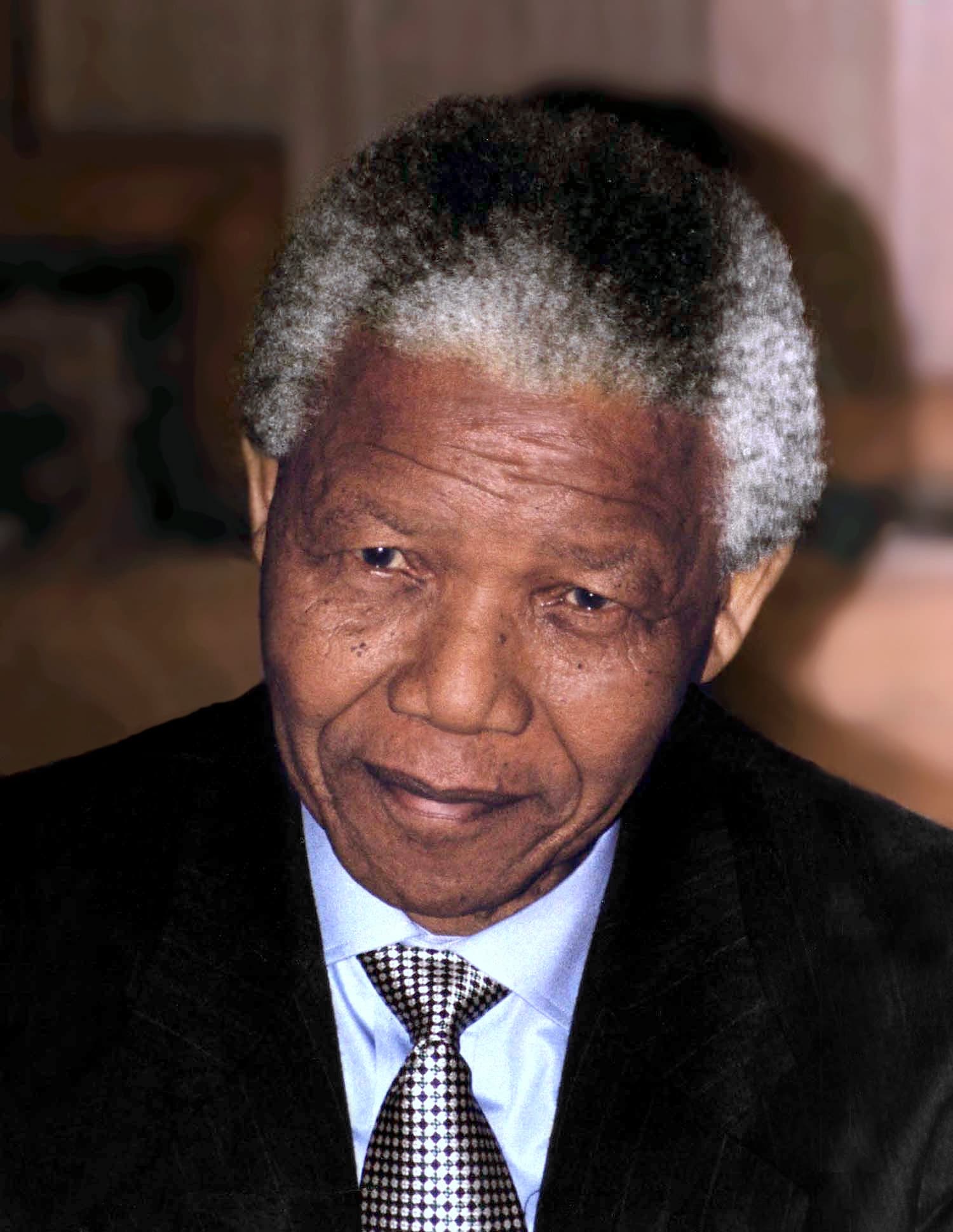
Nelson Mandela
1918 - 2013
A symbol of resilience, forgiveness, and the triumph of the human spirit.
5
Candles
3
Tributes
0
Media
9
Family
A symbol of resilience, forgiveness, and the triumph of the human spirit.
— A message from the family
Biography
Nelson Rolihlahla Mandela was born on July 18, 1918, in the village of Mvezo in the Eastern Cape of South Africa. He was given the name Rolihlahla, which means "troublemaker" in the Xhosa language, by his father, a local chief of the Thembu people. His early life was shaped by the customs and traditions of his people, as well as by the injustices of colonial rule.
Mandela was the first in his family to receive a formal education. He attended the Methodist mission school where he was given the English name Nelson, and later went to the University of Fort Hare, the only university in South Africa that accepted black students. It was there that he met Oliver Tambo, with whom he would form a lifelong friendship and political partnership. After being expelled for participating in a student protest, Mandela completed his degree through the University of South Africa.
In 1944, Mandela joined the African National Congress (ANC) and co-founded the ANC Youth League, which advocated for a more militant approach to ending apartheid. He became a leading figure in the Defiance Campaign of 1952, a nonviolent mass protest against the apartheid laws. As a lawyer, he opened the country's first black law firm with Oliver Tambo, providing affordable legal counsel to those oppressed by the system.
Mandela's activism led to his arrest and trial in the Rivonia Trial of 1964. He was sentenced to life imprisonment for sabotage and conspiracy to overthrow the government. He spent 27 years in prison, first on Robben Island, then at Pollsmoor Prison, and finally at Victor Verster Prison. Despite the harsh conditions, he remained a symbol of resistance and hope for millions of South Africans and people around the world.
While in prison, Mandela became the focal point of the international anti-apartheid movement. Global campaigns for his release, including sanctions, divestment, and cultural boycotts, put immense pressure on the South African government. His refusal to compromise his political principles in exchange for freedom made him a legendary figure of moral courage.
In 1990, President F. W. de Klerk announced Mandela's release, marking the beginning of the end of apartheid. Mandela immediately resumed his leadership role in the ANC, negotiating with the government to dismantle the apartheid system and establish a multiracial democracy. His commitment to reconciliation and peace was instrumental in preventing a civil war during the turbulent transition period.
In 1994, Mandela was elected as the first black President of South Africa in the country's first fully representative democratic election. His presidency focused on national unity, dismantling the legacy of apartheid, and addressing poverty and inequality. He established the Truth and Reconciliation Commission, chaired by Archbishop Desmond Tutu, to heal the wounds of the past through restorative justice.
After stepping down from the presidency in 1999, Mandela dedicated his remaining years to humanitarian work through the Nelson Mandela Foundation. He campaigned for HIV/AIDS awareness, children's rights, and peace. His moral authority and unwavering commitment to justice made him one of the most respected and admired figures of the 20th century.
Nelson Mandela passed away on December 5, 2013, at the age of 95. His state funeral was attended by leaders and dignitaries from around the world, a testament to his global impact. He left behind a legacy of forgiveness, resilience, and the unshakeable belief that no one is free until everyone is free. His life continues to inspire movements for justice and equality across the globe.
3
Contributions
0
Media Files
5
Digital Candles
9
Family Members
Life Timeline
9Born in Mvezo, South Africa
Nelson Rolihlahla Mandela was born in the Eastern Cape.
Joined the ANC
Co-founded the ANC Youth League and began his political activism.
Defiance Campaign
Led a mass nonviolent protest against apartheid laws.
Arrested and imprisoned
Arrested for leaving the country illegally and inciting workers to strike.
Sentenced to life imprisonment
Convicted at the Rivonia Trial and sentenced to life on Robben Island.
Released from prison
Freed after 27 years, following international pressure and negotiations.
Nobel Peace Prize
Awarded the Nobel Peace Prize alongside F. W. de Klerk.
Elected President of South Africa
Became the country's first black president in a fully democratic election.
Passed away at age 95
Died on December 5, 2013, at his home in Johannesburg.